
Five Forces Shaping Residential HVAC: Efficiency, Electrification, and Customer Experience
1. Right-Sizing, Load Calculations, and System Design
Effective HVAC system design begins with a detailed room-by-room load calculation rather than relying on generalized sizing estimates. Proper sizing ensures that equipment can meet heating and cooling demands efficiently without short cycling, uneven temperatures, or excessive energy consumption.
A professional load analysis evaluates factors such as insulation levels, air leakage, window orientation, shading, occupancy patterns, and internal heat generated by lighting and appliances. This process creates a balanced design that matches system capacity to the actual needs of the home or building. For example, a coastal cottage with reflective roofing and strong natural airflow may require less cooling capacity than a larger inland property with dark roofing and extensive west-facing windows. A well-designed system also considers duct layout, airflow requirements, and static pressure to ensure consistent comfort throughout the property. Proper blower sizing, carefully positioned supply and return vents, and airflow verification during commissioning all contribute to quieter operation, longer equipment life, and more stable indoor temperatures year-round.
2. Heat Pumps, Ductless, and Hybrid Solutions
Heat pumps continue to gain popularity due to their improved cold-weather performance and flexibility across a wide range of building types. In homes with limited space, older construction, or additions without existing ductwork, ductless air-conditioning systems provide an efficient and minimally invasive solution.
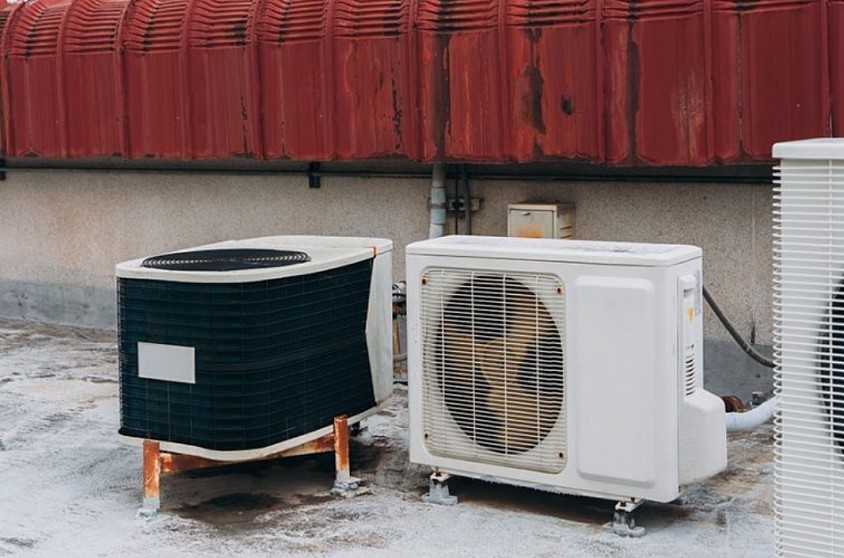
Single-zone mini-split systems are ideal for spaces such as sunrooms, garages, or home offices that require independent temperature control, while multi-zone systems can efficiently heat and cool entire sections of a home without extensive renovations. Successful installations depend on properly sizing indoor units for each space, positioning them to prevent uneven airflow, and routing refrigerant lines with careful attention to insulation and moisture control. Outdoor equipment should be mounted securely with sufficient clearance to support airflow and simplify maintenance access. In homes with existing duct systems but uneven temperatures, hybrid configurations can combine a central heat pump with supplemental ductless units in hard-to-condition areas. This approach allows homeowners to control temperatures more precisely while reducing unnecessary energy use in unoccupied rooms.
3. Indoor Air Quality and Ventilation Integration
Indoor comfort involves more than temperature alone. Humidity control, clean air, and proper ventilation all contribute significantly to a healthy and comfortable indoor environment.
Balanced humidification and dehumidification help protect wood flooring, reduce window condensation, and discourage dust mites and microbial growth. Filtration systems should align with both the occupants’ air quality needs and the HVAC system’s airflow capabilities. Higher-efficiency filters capture finer particles but must be selected carefully to avoid excessive airflow restriction. Mechanical ventilation systems, including exhaust-only, supply-only, or balanced energy recovery systems, help dilute indoor pollutants while stabilizing humidity levels. Integrating ventilation with the HVAC system helps avoid pressure imbalances that may draw contaminants from crawl spaces, garages, or other unwanted areas. For example, a balanced recovery ventilator connected to the return side of the system can introduce tempered fresh air while recovering energy from outgoing air, improving efficiency and comfort in both summer and winter. Proper commissioning ensures airflow targets are achieved, ventilation remains quiet, and occupants understand how to operate seasonal settings effectively.
4. Smart Controls, Diagnostics, and Maintenance
Modern smart thermostats and connected HVAC controls transform system data into practical comfort and efficiency improvements. Features such as geofencing can automatically adjust temperatures when occupants leave or return home, while adaptive scheduling learns daily routines and reduces the need for manual adjustments.
Advanced diagnostics can identify issues such as airflow restrictions, abnormal cycling patterns, or defrost irregularities before they result in system failures. When paired with regular maintenance—including coil cleaning, drain inspections, refrigerant checks, and electrical testing—these technologies help preserve long-term system performance. For families that travel frequently, smart controls can reduce energy use during absences and restore comfortable temperatures before arrival. In multi-zone systems, individual thermostats and sensors allow room-by-room adjustments that resolve common comfort imbalances between different levels or areas of the home. Service technicians also benefit from diagnostic history and trend data, which improve troubleshooting accuracy and reduce repeat service visits.
5. Refrigerant Transition, Codes, and Workforce Training
The HVAC industry continues transitioning toward refrigerants with lower global warming potential alongside evolving safety standards and building codes. These changes influence equipment selection, installation procedures, and technician training requirements.
Modern HVAC professionals must understand updated charging practices, leak detection procedures, and ventilation requirements for mechanical spaces. At the same time, building codes increasingly emphasize energy efficiency, tighter building envelopes, and balanced ventilation systems, making proper commissioning and airflow verification more important than ever. For homeowners, these advancements often result in quieter, more efficient systems that deliver improved comfort when installed correctly. For example, a renovation that combines upgraded insulation and air sealing with a properly sized heat pump can significantly reduce energy demand while improving humidity control and indoor comfort. Ongoing workforce training remains essential to maintaining these standards. Skills such as proper brazing techniques, digital airflow measurement, refrigerant management, and condensate control directly affect system reliability and performance. Choosing experienced professionals who follow manufacturer specifications and local codes helps ensure systems perform efficiently today while remaining adaptable to future industry standards.
Smart Strategies for Fast, Reliable Emergency AC Repair in Laurel Homes and Businesses
1. Recognize True Emergencies and Act Quickly
Air-conditioning problems can happen unexpectedly, but not every issue requires emergency service. A true HVAC emergency typically involves a complete loss of cooling during extreme heat, repeated circuit breaker trips, smoke or burning odors, frozen refrigerant lines that do not thaw, or water leaks near ceilings or electrical components.
In these situations, the system should be turned off at the thermostat immediately to prevent further damage and reduce safety risks. For example, if an upstairs air handler overflows and water begins staining the ceiling, shutting off the unit quickly can help limit water damage while professional service is arranged. Less urgent issues, such as slightly reduced airflow caused by a dirty filter discovered early, can often be scheduled for prompt service without requiring immediate emergency repair. Recognizing serious warning signs early helps protect the equipment, maintain indoor air quality, and reduce downtime.
2. Gather Helpful Information Before Placing the Call
Providing clear and organized information helps technicians diagnose problems more quickly and arrive better prepared for repairs. Homeowners should note the equipment brand, approximate system age, thermostat model, and whether the system is a central air conditioner, heat pump, or packaged unit.
Specific symptom descriptions are especially helpful. Examples include “the outdoor fan is running but the indoor blower is not,” “the copper refrigerant line is frozen,” or “the system turns on and off every few minutes.” It is also important to mention any recent changes such as filter replacements, landscaping near the outdoor unit, home renovations that created dust, or installation of a new smart thermostat. If a breaker has tripped, note whether it resets successfully or trips again immediately. When safe to do so, photos of thermostat error messages or control board indicators can also help speed up diagnosis. Organized details often lead to shorter service visits and more efficient repairs.
3. Prioritize High-Impact Components During Diagnosis
During emergency HVAC service, technicians often focus first on components that have the greatest impact on cooling performance. Common failure points include capacitors, contactors, fan motors, airflow restrictions, and refrigerant-related issues.
For example, a weak capacitor may cause the outdoor fan to hum without spinning properly, while restricted airflow from a clogged filter, damaged ductwork, or frozen evaporator coil can place significant stress on the compressor. Refrigerant problems caused by leaks require careful testing, leak detection, and proper handling procedures before the system can be safely recharged. Electrical inspections also play a critical role by identifying loose wiring, damaged terminals, or voltage issues that may cause repeated failures. In some cases, a system that repeatedly shuts down due to high pressure may simply have a severely dirty outdoor condenser coil that restricts heat transfer. Addressing these high-impact issues first often restores comfort quickly without requiring major equipment replacement.
4. Maintain Safety and Indoor Air Quality During the Crisis
While waiting for HVAC repairs, simple steps can help maintain safety and improve indoor comfort. If burning smells, sparking sounds, or repeated breaker trips occur, the HVAC system should remain turned off until it is professionally inspected.
Interior doors can be opened to improve airflow between rooms, and portable fans may help increase comfort when used safely away from moisture-prone areas. If humidity becomes excessive, especially in basements or storage areas, a standalone dehumidifier can help reduce moisture buildup and protect sensitive materials. When condensate drains overflow, placing towels or containers near accessible drip points can help limit water damage. During periods of high humidity, opening windows may worsen indoor moisture levels, so ventilation should be used carefully based on outdoor conditions. Families with infants, elderly residents, or pets should focus on keeping one interior room as cool as possible by closing blinds, limiting heat-generating appliances, and reducing unnecessary activity. Small businesses and restaurants may also reduce internal heat loads temporarily by dimming lights and limiting equipment usage until cooling service is restored.
5. Prevent the Next Breakdown with Proactive Measures
Preventive maintenance is one of the most effective ways to reduce future breakdowns, improve comfort, and extend HVAC system life. Filters should be cleaned or replaced regularly according to manufacturer recommendations, and the filter’s efficiency rating should match the airflow capabilities of the system.
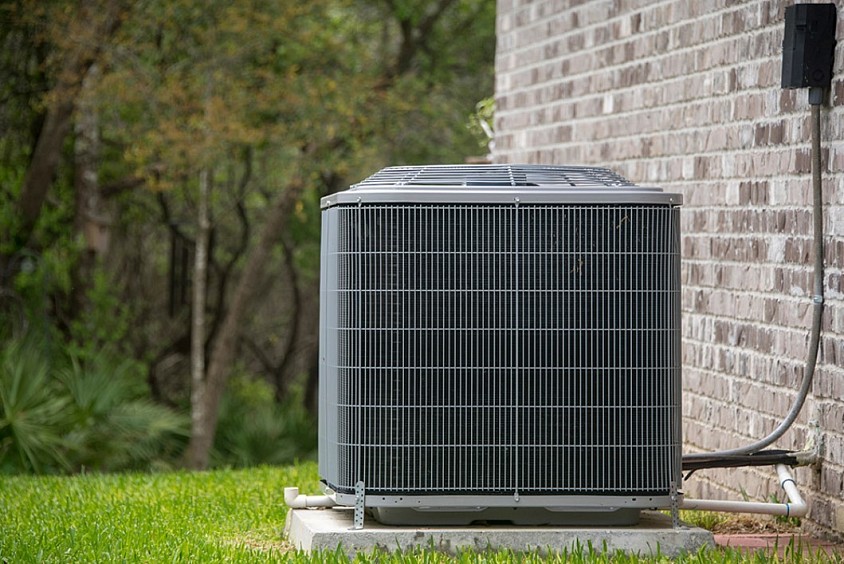
Outdoor condenser units should remain free of leaves, grass clippings, and other obstructions, with several feet of clearance maintained around the equipment to support proper airflow. Periodic inspection of condensate drain lines can help prevent clogs and water damage, and adding an access point for easy cleaning may simplify future maintenance. Supply and return vents should remain open and unobstructed to maintain balanced airflow throughout the home. For heat pump systems, outdoor sensors and defrost controls should also remain clear during colder weather. Smart thermostats can provide valuable alerts for unusual temperature swings or extended runtimes, allowing homeowners to schedule service before a small issue becomes a major repair. Maintaining a simple record of maintenance visits, filter changes, and unusual sounds or odors can also help technicians diagnose future problems more quickly and accurately.